Book your Free Energy Consultation TODAY!
Frequently Asked Questions
1. What is solar energy and how does it work?
Solar energy comes from the sun. Solar panels capture sunlight and convert it into electricity using photovoltaic (PV) cells. That electricity then powers your home or business. If you produce more than you use, excess energy can often be sent back to the grid, reducing your utility bill.
2. How much will solar save me on my electric bill?
Savings depend on your current energy usage, local utility rates, system size, and incentives. Most homeowners see significant reductions in their monthly bill right away — and in some cases eliminate it entirely.
3. How much does a solar system cost?
System costs vary by size, equipment choice, and location. However, after incentives and financing, solar often costs less than your current utility bill — especially over the lifetime of the system.
4. Does solar work when the sun isn’t shining?
Yes — if your system is grid-tied, you simply draw energy from the utility as needed. If you add batteries, you can store excess solar for later use, providing power even during outages or overnight.
5. What happens during a power outage?
Standard grid-tied systems will shut off during utility outages for safety reasons. If you add battery backup, your system can continue powering your home even when the grid goes down.
"Switching to solar energy was the best decision I’ve made for my home. Not only have my electricity bills dropped significantly, but I also feel good knowing I’m reducing my carbon footprint. The installation process was seamless, and I’m thrilled with the results!"
Ellie M.

"As a small business owner, I was looking for ways to cut costs, and solar energy has been a game-changer. The return on investment has been faster than I expected, and I love that we’re contributing to a more sustainable future while saving money."
John D.
"Solar energy is the future, and I’m proud to be part of the movement. My home’s energy efficiency has improved drastically, and knowing that I’m reducing my impact on the planet feels incredibly rewarding. Solar power has truly transformed how we use energy."
Sarah l.
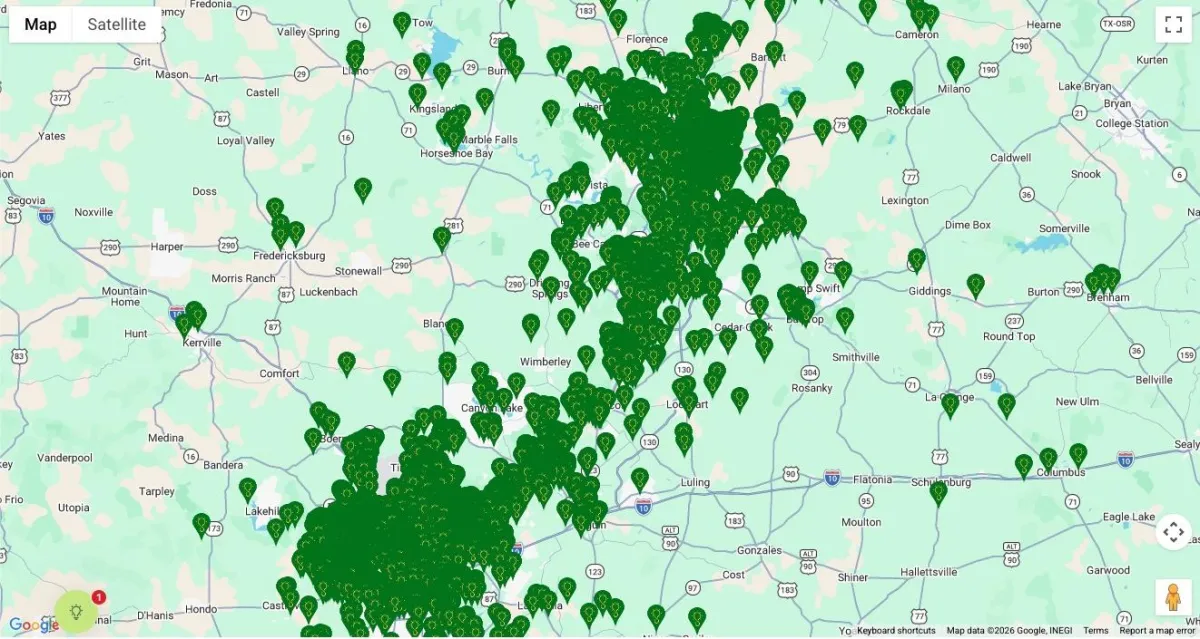
Our Completed Installs